Duration: 18 months
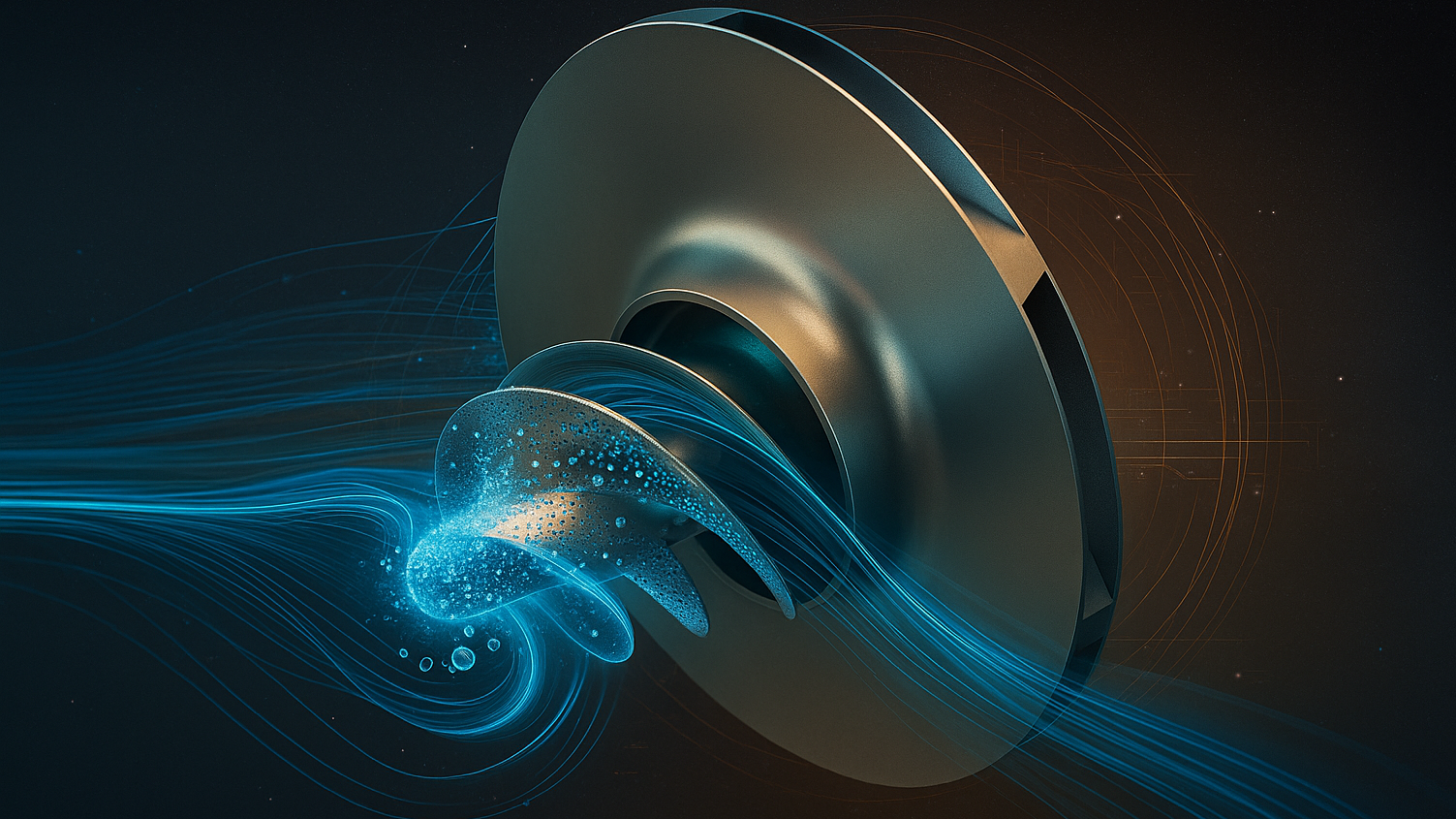
Cryogenic turbopumps are critical components in space propulsion systems, yet they are highly susceptible to cavitation, which can degrade performance and cause severe mechanical damage. The scope of this project is to determine the effectiveness of integrating passive porous systems into pump inducers, in combination with machine learning (ML)–based predictive optimization, for improving turbopump performance and reliability under extreme operating conditions. Specifically, the study will assess whether porous inducer configurations can passively stabilize boundary-layer flow and mitigate cavitation, and to what extent ML models can accurately predict cavitation onset and optimize porosity distribution across varying operating regimes. The investigation will also determine the feasibility of manufacturing such porous-bleed structures using additive manufacturing techniques to achieve precise and customizable geometries. Through a combined program of computational modelling and experimental validation, the project aims to establish performance trends and limitations corresponding to a Technology Readiness Level of 4. The outcomes will clarify the potential of this integrated, data-driven approach as a scalable solution for next-generation space propulsion systems, particularly in terms of improving turbopump efficiency, extending operational lifespan, and enhancing overall mission safety.